Overview
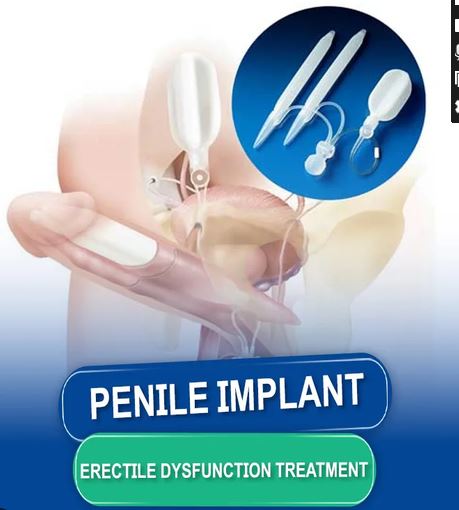
Penile implant surgery places a prosthetic device inside the penis to provide controlled penile rigidity for sexual activity. Inflatable systems generally include cylinders placed within the penis, a pump and an internal fluid reservoir.
Common Symptoms
Persistent difficulty achieving an erection, difficulty maintaining an erection, reduced penile rigidity and erectile dysfunction affecting sexual activity.
Possible Causes
Diabetes, cardiovascular disease, nerve damage, previous pelvic surgery, prostate cancer treatment, vascular factors, hormonal factors, medication-related factors and other medical conditions.
Diagnosis
Evaluation may include medical and sexual history, physical examination, medication review, hormonal testing when appropriate and assessment of cardiovascular and metabolic health.
Treatment & Procedures
Under anaesthesia, the selected implant components are surgically placed inside the erectile bodies. With an inflatable implant, a pump is positioned in the scrotum and a fluid reservoir is placed internally.
Recovery & Follow-up
A period of healing is required before using the implant. Patients receive instructions regarding wound care, device operation and when sexual activity can safely resume.
Benefits
Provides a predictable method of achieving penile rigidity, patient-controlled function with inflatable devices, long-term treatment option and potential improvement in sexual function and satisfaction.