Overview
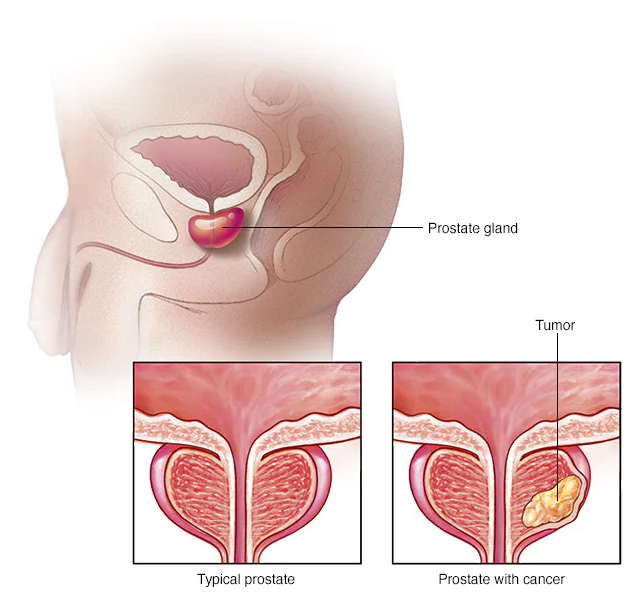
Prostate cancer develops in the tissues of the prostate gland and is one of the most common cancers affecting men. Many prostate cancers grow slowly, while some can be more aggressive and may spread beyond the prostate.
Treatment planning begins with confirming the diagnosis and understanding the characteristics of the cancer. The appropriate approach depends on factors such as PSA level, biopsy findings, Grade Group, cancer stage, overall health, age and the patient's preferences.
Treatment planning begins with confirming the diagnosis and understanding the characteristics of the cancer. The appropriate approach depends on factors such as PSA level, biopsy findings, Grade Group, cancer stage, overall health, age and the patient's preferences.
Common Symptoms
Early prostate cancer may not cause noticeable symptoms.
When symptoms occur, they may include:
• Difficulty starting urination
• Weak or interrupted urine stream
• Frequent urination, particularly at night
• Difficulty emptying the bladder
• Blood in the urine or semen
• Painful urination in some cases
• Persistent pain in the back, hips or pelvis in advanced disease
These symptoms can also occur with non-cancerous prostate conditions such as BPH, so appropriate medical evaluation is important.
Possible Causes
The exact cause of prostate cancer is not always known.
Factors that can increase the likelihood of developing prostate cancer include:
• Increasing age
• Family history of prostate cancer
• Certain inherited genetic changes
• Genetic or hereditary cancer syndromes
• Other individual and environmental factors
A family history of prostate cancer or certain inherited genetic changes may influence an individual's risk and may be relevant when discussing screening and evaluation.
Diagnosis
Evaluation begins with a detailed medical and family history and a physical examination.
Depending on the individual situation, assessment may include:
• Prostate-specific antigen (PSA) blood test
• Digital rectal examination (DRE)
• Urine tests when appropriate
• Prostate imaging, including multiparametric MRI when indicated
• Prostate biopsy
• Pathological examination of biopsy tissue
• Gleason score and Grade Group assessment
• Additional imaging or staging investigations when required
A biopsy is used to confirm prostate cancer and determine the grade of the cancer. Additional tests may be required to determine whether the cancer has spread and to establish its stage.
Treatment & Procedures
Treatment is individualized according to the cancer's stage, Grade Group, PSA level, extent of disease, overall health and patient preferences.
Depending on the diagnosis, treatment approaches may include:
• Active surveillance for selected patients with localized, lower-risk disease
• Watchful waiting in appropriately selected patients
• Radical prostatectomy for selected patients with localized disease
• Radiation therapy
• Hormone therapy / androgen deprivation therapy
• Chemotherapy in selected advanced or metastatic disease
• Targeted therapy or immunotherapy for selected patients based on the cancer's characteristics
• Treatment directed at cancer that has spread to other parts of the body
The goal may be cure for appropriately selected localized cancers or control of disease and symptoms when the cancer is more advanced.
Recovery & Follow-up
Follow-up depends on the treatment received and the characteristics of the cancer.
Patients may require regular PSA testing and clinical review after treatment. Additional imaging or investigations may be recommended when there are concerns about recurrence or progression.
After surgery or radiation therapy, recovery and monitoring may include assessment of urinary, sexual and bowel function when relevant.
Long-term follow-up is an important part of prostate cancer care, particularly because some cancers can recur after treatment.
Benefits
• Early and accurate assessment of prostate cancer
• Identification of the cancer's grade and stage
• Personalized treatment planning
• Appropriate selection between surveillance, surgery, radiation and systemic treatments
• Monitoring of treatment response
• Early identification of recurrence or progression
• Ongoing management and support throughout treatment and follow-up